Articles EXCLUSIVELY written for sustainablesecurity.org
Issues:Climate change, Competition over resources, Global militarisation, Marginalisation
 To browse a list of all of the articles EXCLUSIVELY written for sustainablesecurity.org - follow this link
Posted on 17/11/10
Louisiana is Sinking
Issues:Climate change, Competition over resources, Marginalisation
 Hurricane Katrina and the sinking of coastal Louisiana stand as a reminder that we must address climate change, competition over resources and marginalisation as the root causes of conflict before it is too late.
Most will remember the horrific pictures on the news in 2005 when hurricane Katrina struck New Orleans. Nearly 2,000 people died, thousands more were left homeless and displaced, the material destruction was catastrophic with damages well over $100 billion.
Image source: Brother O'Mara
Read more »Posted on 31/01/13
"Mali: Another Long War?" - Sustainable security on channel 4 news
Issue:Global militarisation
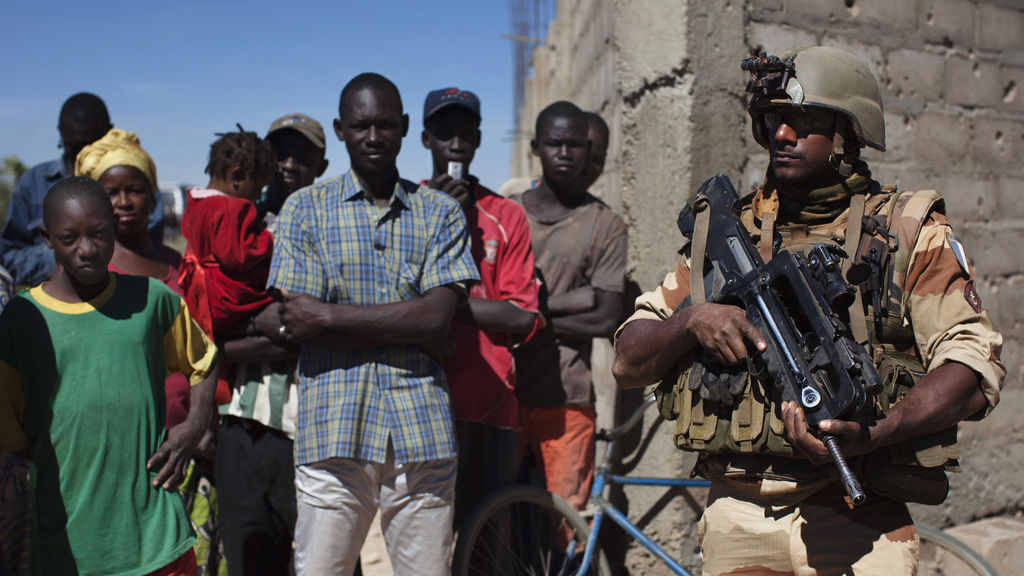 Not unlike the United States in both Afghanistan and Iraq, the French government has begun the intervention with talk of short timelines and minimal troops on the ground before quickly changing its tune, write Anna Alissa Hitzemann and Ben Zala for Channel 4 News .
Image source: Channel 4 News (from original article)
Posted on 22/01/13
"Mali: Why Western Intervention is destined to fail" - Sustainable security on Channel 4 News
Issue:Global militarisation
 Britain is on standby and the US is already transporting French troops into Mali. But the west is "betting on the wrong horse" by intervening in the region. Now well over a decade after the beginning of the so-called war on terror, yet again, another western nation is leading a military intervention against Islamist paramilitaries based in a largely ungoverned region of a state in the Global South, write Anna Alissa Hitzemann and Ben Zala for Channel 4 News.
Image source: Defence Images
Read more »Posted on 22/01/13
Climate Change and Security Threats: Time to Call a Spade a Spade?
Issue:Climate change
 As the devastating bushfires in Australia sharpen questions about the need for urgent action on climate change in that country, is it time to abandon the debate over the pitfalls of viewing climate change through a ‘security lens’?
Image source: HighExposure
Read more »Posted on 14/01/13
Strategic Thinking in a Resource-constrained World
Issue:Competition over resources
 Two new reports surveying the strategic trends that are likely to shape the next few decades of global politics point very clearly to the prospect of a severely resource-constrained world. Released two days apart, both the new Chatham House report on Resource Futures and the US National Intelligence Council report on Global Trends 2030: Alternative Worlds raise a number of important questions relating to conflict and security. Both reports deserve careful consideration in national security policymaking circles now.
Image source: Stayraw
Read more »Posted on 17/12/12